

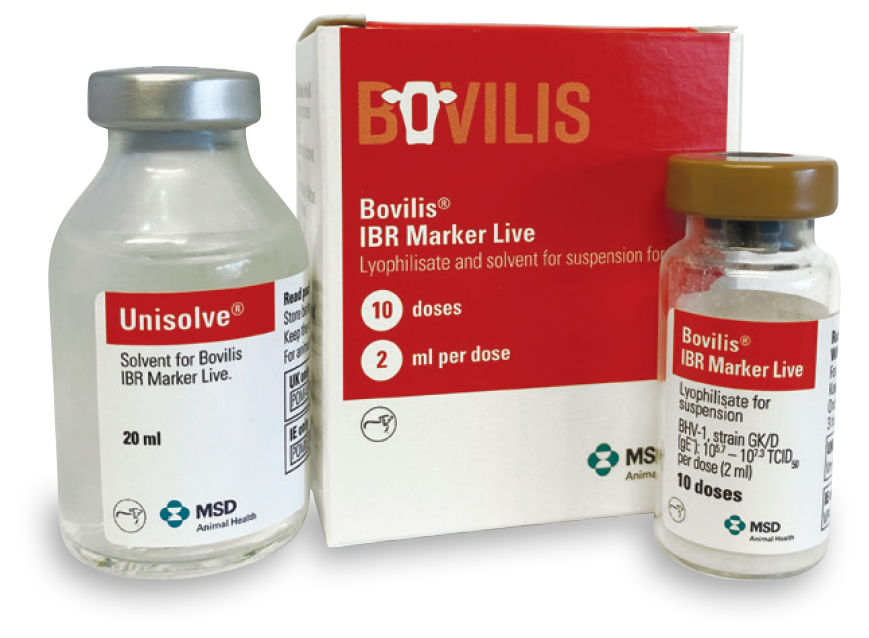
What is it?
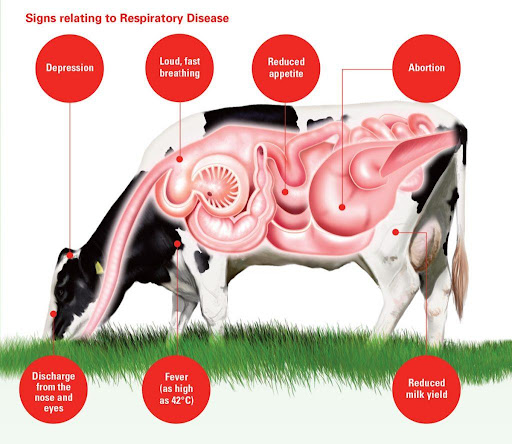
IBR, Infectious Bovine Rhinotracheitis, an infectious respiratory disease in cattle. IBR is caused by a virus called Bovine Herpes Virus-1(BHV-1).
Why use Bovilis IBR Marker Live / Bovilis IBR inac
While IBR in dairy herds is associated with a drop in milk yield. It can also cause abortion.
Subclinical IBR can result in losses of 2.6kg milk per cow per day
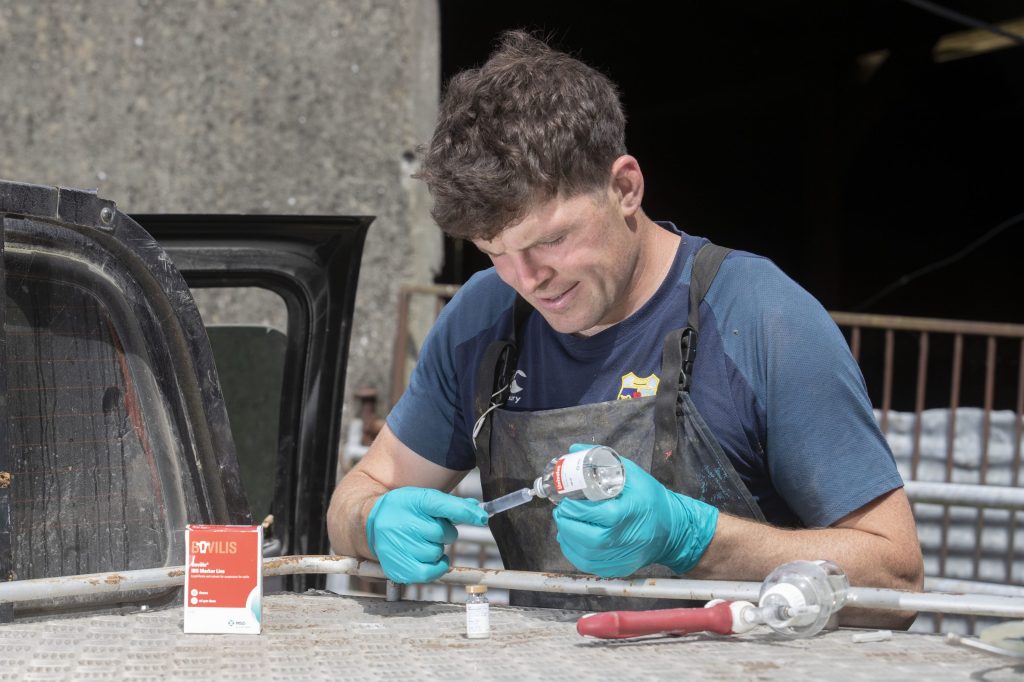
How to use(Bovilis IBR Marker Live):
Dose: 2 ml
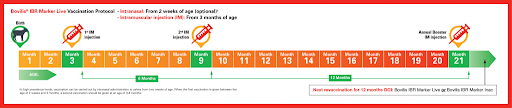
Method of administration: 3 months onwards: intranasal use or intramuscular
use.
Between 2 weeks and 3 months of age: Intranasal use. For intranasal use (1 ml
in each nostril), using a nozzle is recommended.
Once the initial injection of Bovilis IBR Marker Live is administered, a second re-vaccination must be administered 6 months later. Additionally, booster vaccines can then be administered at intervals no greater than every 12 months to maintain immunity. Furthermore, it is important to follow this vaccination schedule to ensure continuous protection against IBR.
Administration (Bovilis IBR marker Inac)
Dose: 2 ml
Method of administration: Intramuscular.
All cattle can be vaccinated from an age of three months onwards.
Primary vaccination: Two vaccinations with an interval of 4 weeks.
Re-vaccination: One vaccination every 6 months. Bovilis IBR marker inac can be used for re-vaccination in a schedule where Bovilis IBR marker live has been used for primary vaccination.
Withdrawal period(s) Zero days (Bovilis IBR Marker Live + Inac)
Live vs Inactivated:
There are two types of IBR vaccines: live vaccines and inactivated vaccines. In terms of shedding of BHV-1 (IBR) virus in newly infected naïve animals, vaccinating with the live vaccine results in less shedding compared to the inactivated vaccine ˡ. However, several studies have shown that live IBR marker vaccines provide better protection against clinical signs than inactivated vaccines. Therefore, it is important to speak to your vet for more information on the advantages of live IBR marker vaccines. Vets can also provide guidance on which vaccination regime is most suited to your herd circumstances, ensuring optimal protection for your animals.
Related Video
To activate the video player please allow cookies in category ‘Performance and Operation’ and refresh this page.
Related Articles
- Reducing calf pneumonia with vaccination on a 900-cow dairy farm
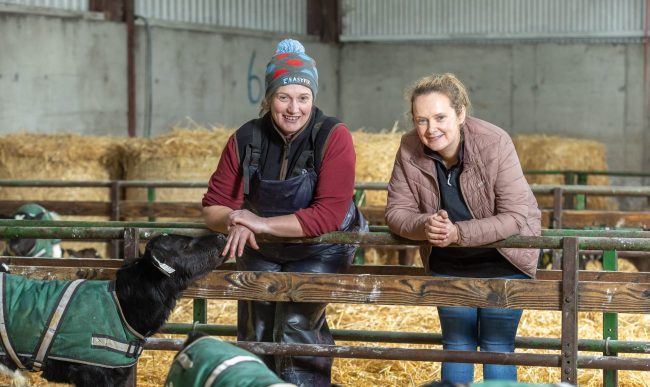 At Lisbeg Dairies in Co. Galway, Sarah Bourns and her husband Chris run a busy spring-calving system, milking just over 900 crossbred cows. Calf health has always been a key focus on the farm, particularly following a pneumonia outbreak a few years ago. “Young calves were going off their milk, running high temperatures and coughing, … Read more
 - Tackling calf pneumonia from day zero in county Wicklow
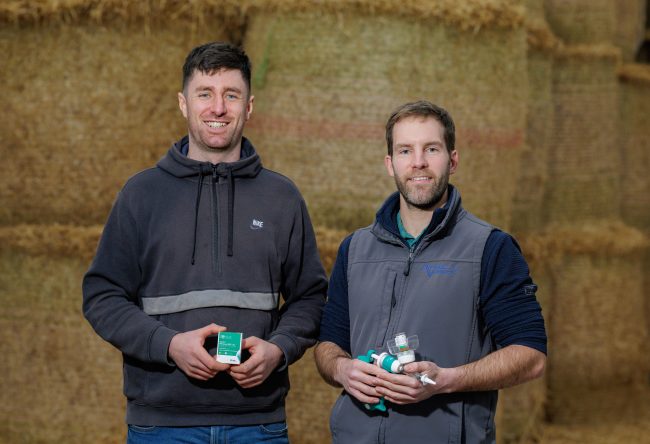 Peter Ryan runs a 230 dairy cow herd alongside his parents on their farm outside Wicklow town, operating a predominantly grass-based, spring-calving system. A few years ago, pneumonia was an issue with his calves, particularly between two to six weeks of age. “They were getting temperatures, going off their milk, and even scouring. We also … Read more
 - Technology for Profit competition #TimeForTech
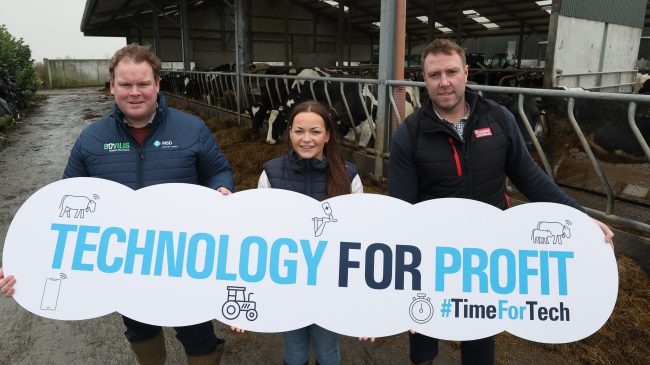 We’re looking for Irelands most innovative dairy farmers! #TimeforTech Following the success of our Prevention for Profit campaign we’re excited to launch the “Technology for Profit” competition for 2025.

Bovilis IBR Marker Live Brochure
Sign up to Bovilis® product and event information

MSD Animal Health
Red Oak North, South County Business Park, Leopardstown,
Dublin 18, Ireland
vet-support.ie@msd.com
PHONE