

Sheep Lameness
Footvax®
Sheep Lameness
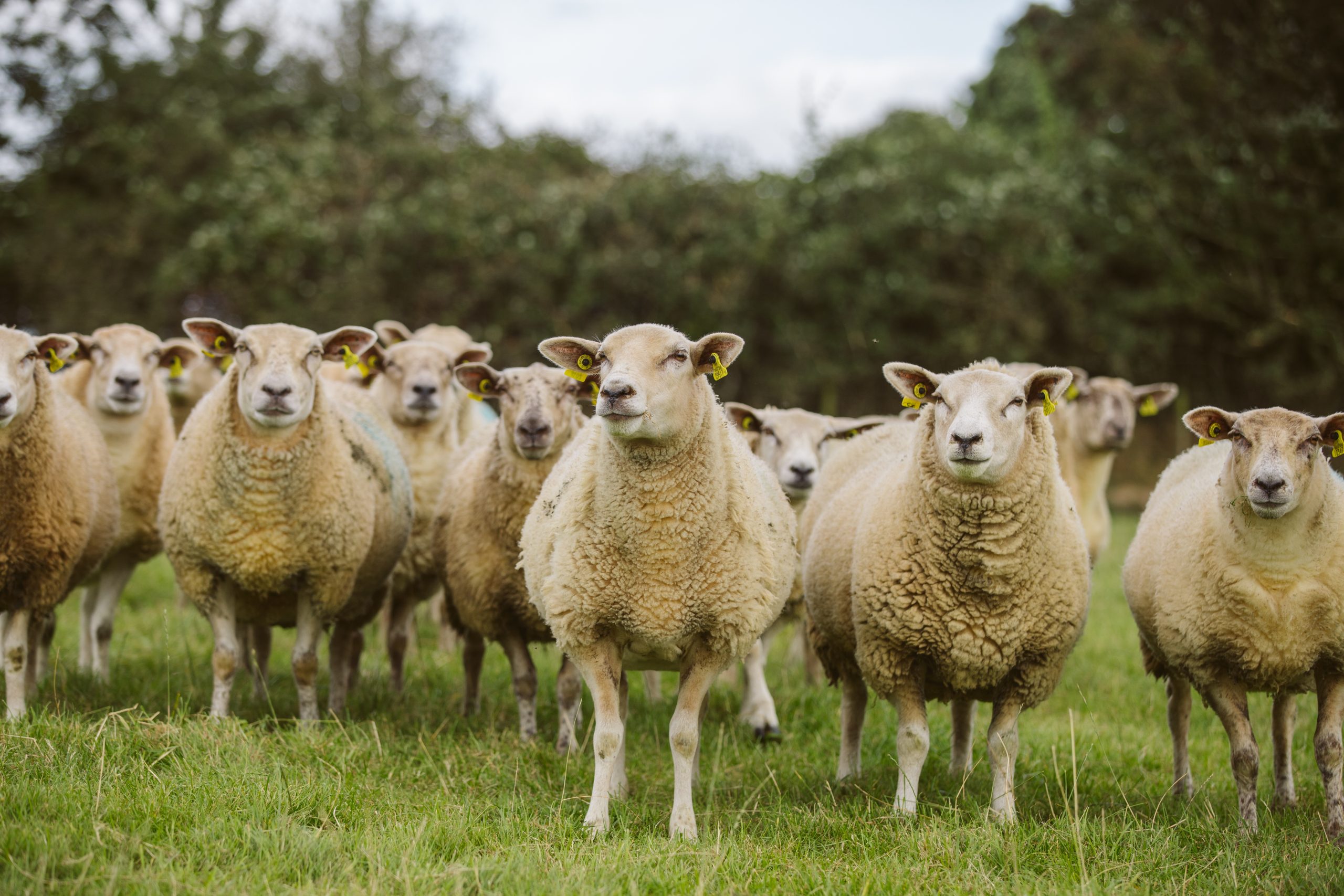
Sheep lameness can be a cause of great concern for sheep farmers. It is estimated to cost the Irish sheep industry five million euro annually!
It has a direct effect on production (20% reduction in body condition score) and welfare (lameness is painful). It also has knock-on effects on fertility and productivity through reduced conception rates.
Footrot is the most common cause of lameness in sheep and is present on over 90% of farms.
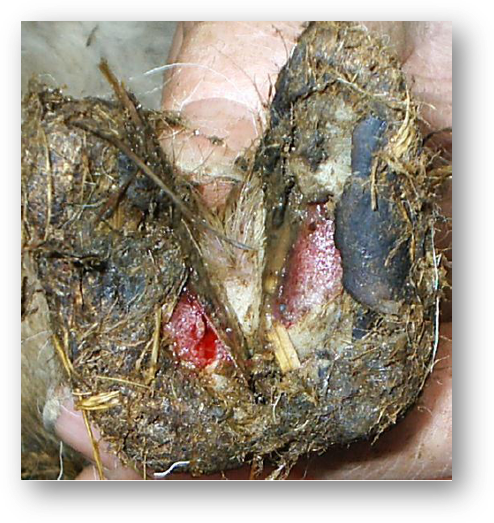
It is highly contagious (lame sheep or lambs being the main source) and caused by two different bacteria; namely Dichelobacter nodosus and Fusobacterium necrophorum.
The latter is also responsible for scald. Footrot is typically characterised by a distinct foul smell and under-running of the hoof wall. Infection can occur at any time throughout the year, however outbreaks tend to happen more frequently in spring and autumn when underfoot conditions are less favourable.
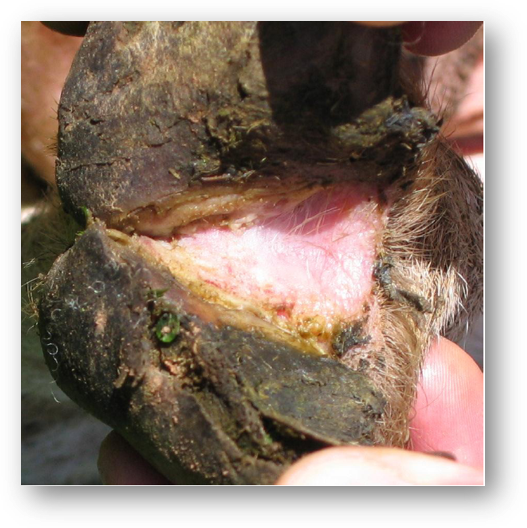
It is worth mentioning two other common causes of lameness in sheep; scald and contagious ovine digital dermatitis (CODD). Scald; often seen in lambs, is recognised by reddening and inflammation in between the hooves.
It can be managed by appropriate foot-bathing. It is worth noting however that it is often the precursor for footrot. CODD on the other hand, is a much more severe cause of lameness.
It starts at the front of the foot where the hoof meets the hair and spreads aggressively into the hoof. It can result in complete loss of the hoof wall and permanent lameness. More than one cause of lameness may be present in a flock at any one time.
The Five Point Plan for Controlling Sheep Lameness
The following five-point plan has been successfully used to control lameness in sheep.
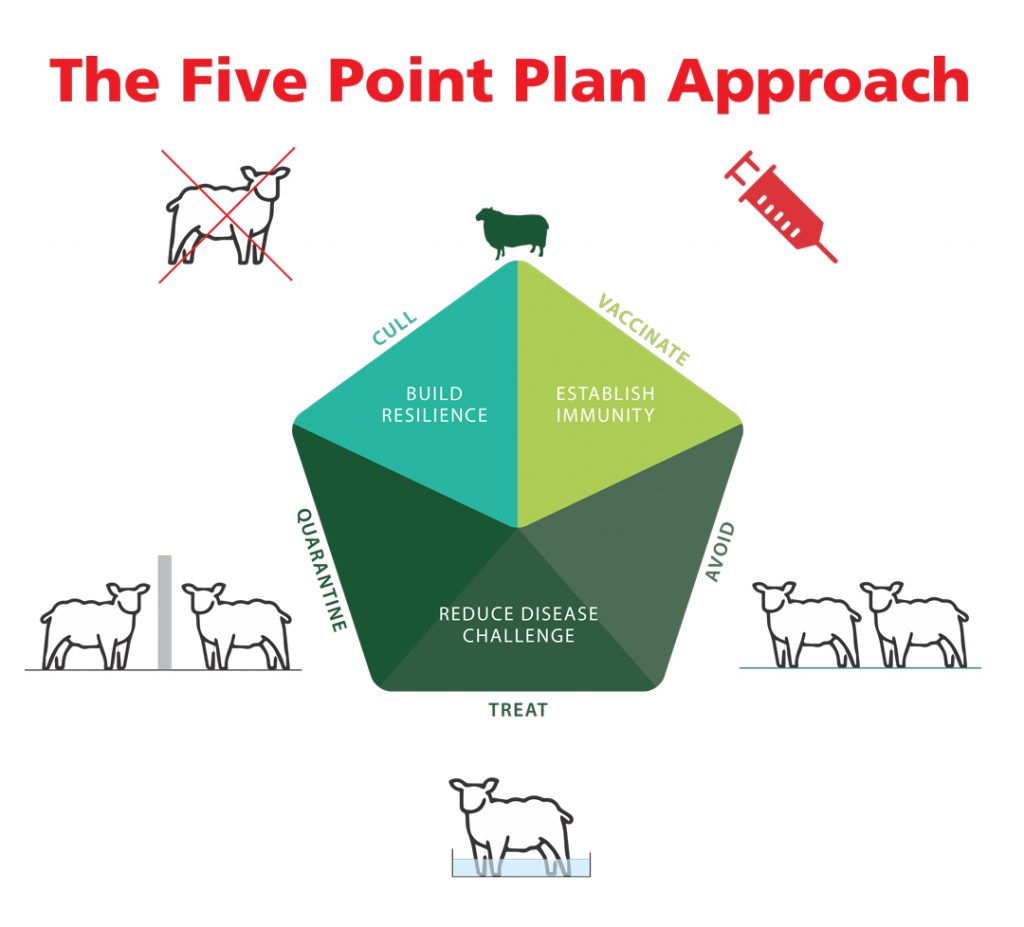
1. Treatment
Prompt treatment is a must. Speak to your vet regarding the correct treatment for the different causes of lameness. Foot trimming should be kept to a minimum.
2. Avoid spread
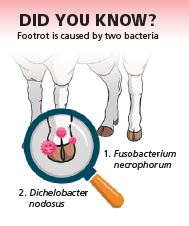
Footrot and CODD are extremely contagious and spread from sheep to sheep particularly at high traffic areas (such as troughs). It is good practice to remove lame sheep/lambs from the rest of the flock until recovered.
It is also worth noting that the bacteria responsible for footrot can survive on pasture for 14 days.
3. Quarantine
Ideally rams/sheep/lambs should not be introduced to a flock for a minimum of four weeks after arrival on farm; this allows time for vaccination, dosing, lameness observation etc.. Lame sheep should never be brought into a flock.
4. Vaccinate with Footvax
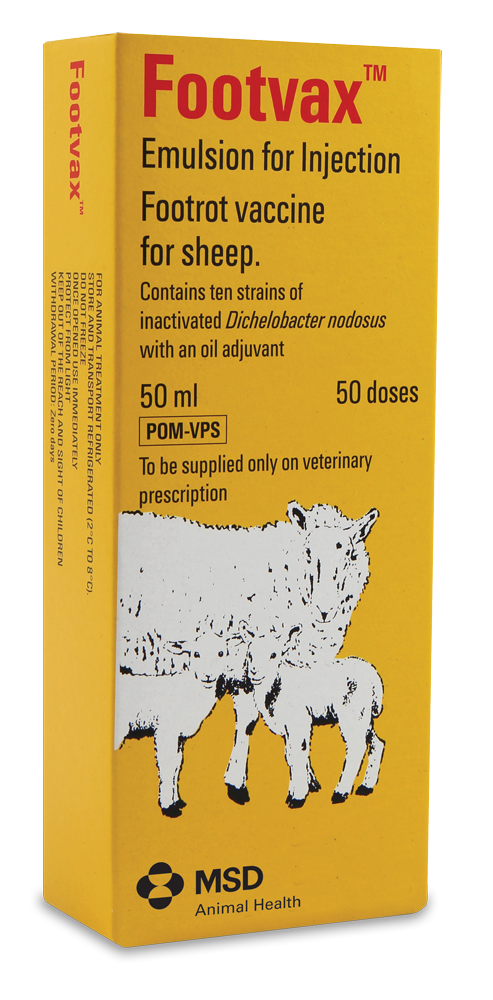
Footvax contains ten different strains of the bacteria responsible for footrot. Vaccination has been shown to significantly reduce the level of lameness caused by footrot.
Research has also shown that by controlling footrot, the incidence of CODD can be reduced. Sheep/lambs must receive a two-dose primary course six weeks apart and then a single booster before the next period of risk.
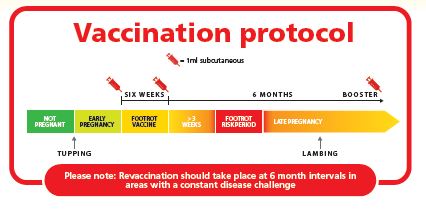
A six-monthly booster is recommended in flocks with constant challenge. It is a 1ml dose to be give under the skin in the side of the neck only. Speak to your vet for more information about the Footvax.
5. Cull
Cull the repeater offenders! Any sheep/lambs that has been treated (correctly) twice previously are unlikely to ever respond successfully and are a constant source of infection for the rest of the group.
It is not uncommon for ten percent of sheep/lambs to be lame which results in a substantial impact on that flock’s performance. Whether we are talking about breeding ewes or store lambs, lameness is worth controlling and a prevalence of two percent is both tolerable and achievable.
NEW brochure on controlling lameness in sheep!
Check out our new brochure for all you need to know about controlling lameness in your flock! Click the arrows below to scroll through the pdf document.
Talk yo your vet about vaccinating your sheep against footrot using Footvax and our farmer brochure.
Product Focus
Related Video
Related Articles
- Reducing calf pneumonia with vaccination on a 900-cow dairy farm
 At Lisbeg Dairies in Co. Galway, Sarah Bourns and her husband Chris run a busy spring-calving system, milking just over 900 crossbred cows. Calf health has always been a key focus on the farm, particularly following a pneumonia outbreak a few years ago. “Young calves were going off their milk, running high temperatures and coughing, … Read more
 - Tackling calf pneumonia from day zero in county Wicklow
 Peter Ryan runs a 230 dairy cow herd alongside his parents on their farm outside Wicklow town, operating a predominantly grass-based, spring-calving system. A few years ago, pneumonia was an issue with his calves, particularly between two to six weeks of age. “They were getting temperatures, going off their milk, and even scouring. We also … Read more
 - Technology for Profit competition #TimeForTech
 We’re looking for Irelands most innovative dairy farmers! #TimeforTech Following the success of our Prevention for Profit campaign we’re excited to launch the “Technology for Profit” competition for 2025.
Sign up to Bovilis® product and event information

MSD Animal Health
Red Oak North, South County Business Park, Leopardstown,
Dublin 18, Ireland
vet-support.ie@msd.com
PHONE